


The automotive industry is undergoing a profound transformation. Electrification, software-defined vehicles, new retail models, and increasing regulatory requirements are fundamentally changing the expectations placed on IT systems. Dealer Management Systems (DMS) in particular must evolve: what was once stable and predictable now needs to be flexible, scalable, and continuously adaptable.
A key principle of modern software architecture captures this shift perfectly:
The cheapest line of code is the one you never have to write.
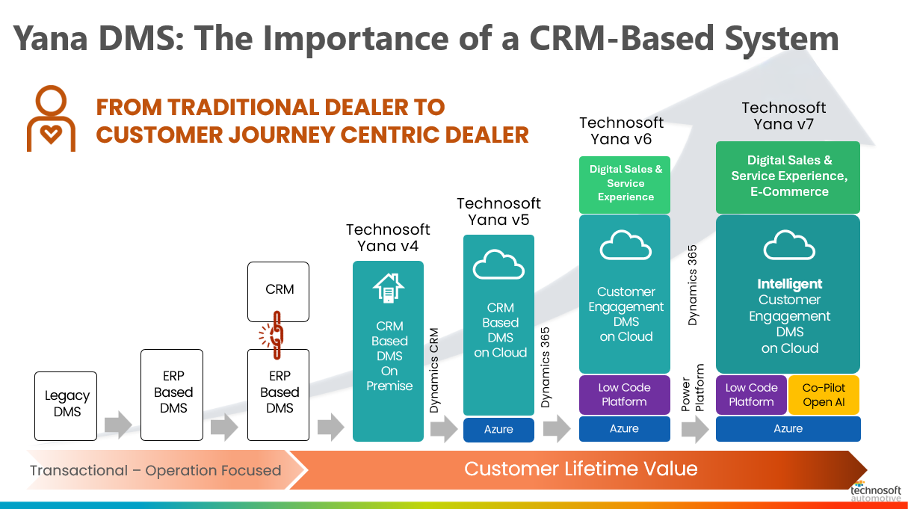
This idea reflects a broader transition—from monolithic applications and heavy customization toward configurable, modular platforms.
Why Traditional DMS Architectures Reach Their Limits
Many legacy systems were built in an era when processes changed slowly. Extensions were typically implemented through:
- Custom database modifications
- Hard-coded business logic
- Point-to-point integrations with suppliers and partners
Over time, this approach creates growing technical complexity. Every change becomes more expensive, slower, and riskier.
In a market that evolves constantly, this architecture becomes a constraint rather than an enabler.
A New Approach: Configuration Instead of Custom Code
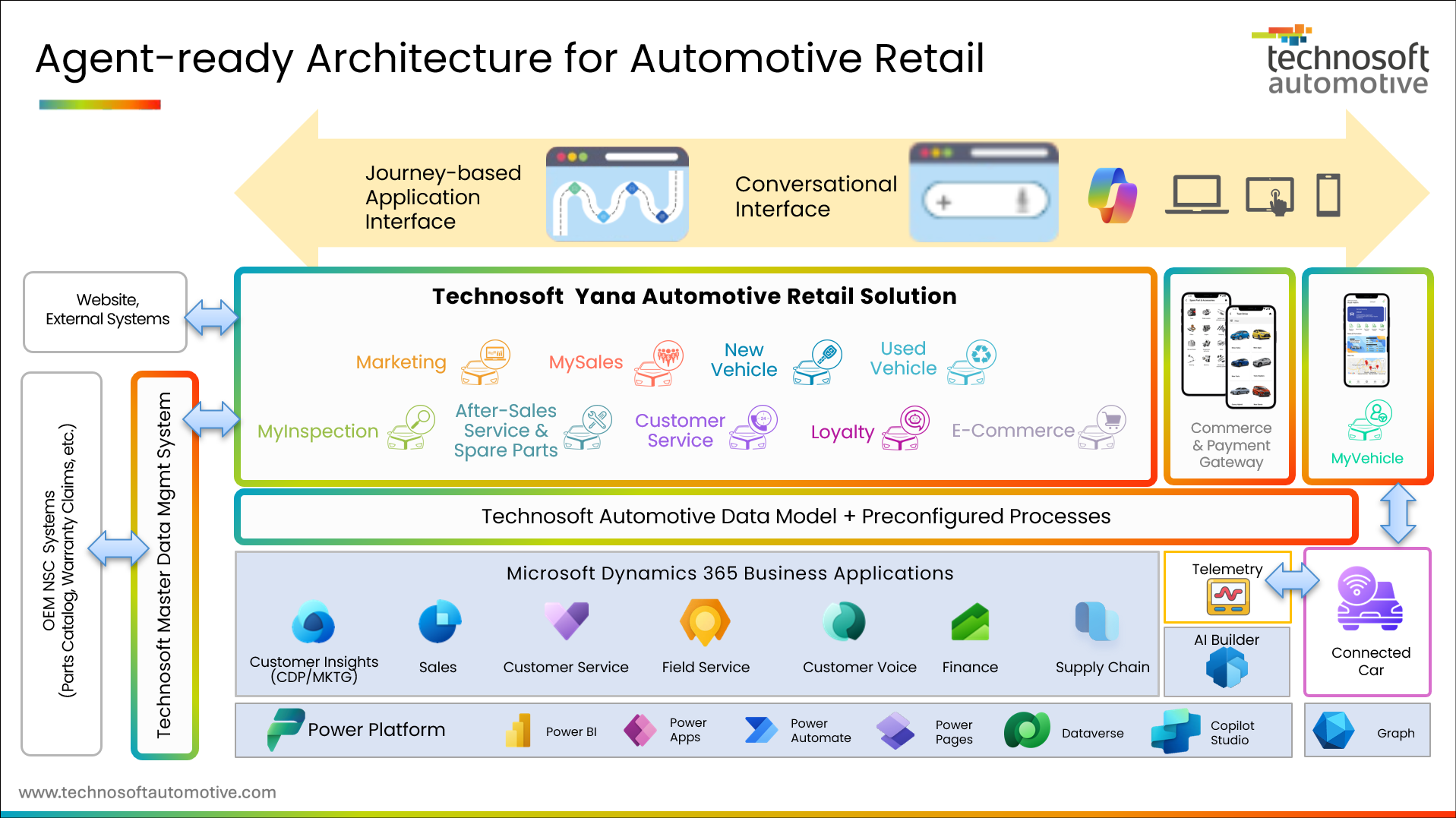
Modern platforms address complexity differently. Instead of solving new requirements by writing more code, they rely on configuration, standardized integrations, and governed processes.
In practice, this means:
- Data models can evolve without redevelopment
- User interfaces adapt dynamically to roles and contexts
- Workflows are configured rather than programmed
- Integrations are standardized and scalable
This creates systems that can evolve continuously without requiring structural rebuilds.
Real-World Examples from Automotive Operations
This architectural approach proves especially valuable in several common areas of dealer operations.
- New Vehicle and Part Types
Electrification and digital features are introducing entirely new components, attributes, and service processes. Systems must be able to accommodate these changes quickly.
Configurable data models allow organizations to introduce new attributes and categories while maintaining governance and security.
- Dynamic Service and Workshop Processes
Service workflows increasingly differ depending on vehicle technology, diagnostics requirements, or market regulations.
Instead of hard-coded logic, modern platforms allow process steps, rules, and approvals to be configured and adapted quickly, reducing change cycles and operational friction.
- Supplier and Partner Integration
One of the largest cost drivers in legacy environments is maintaining dozens of custom integrations.
Standardized API layers and integration frameworks dramatically reduce this complexity, enabling scalable and secure interoperability across suppliers and systems.
The Next Step: AI Embedded in Business Processes
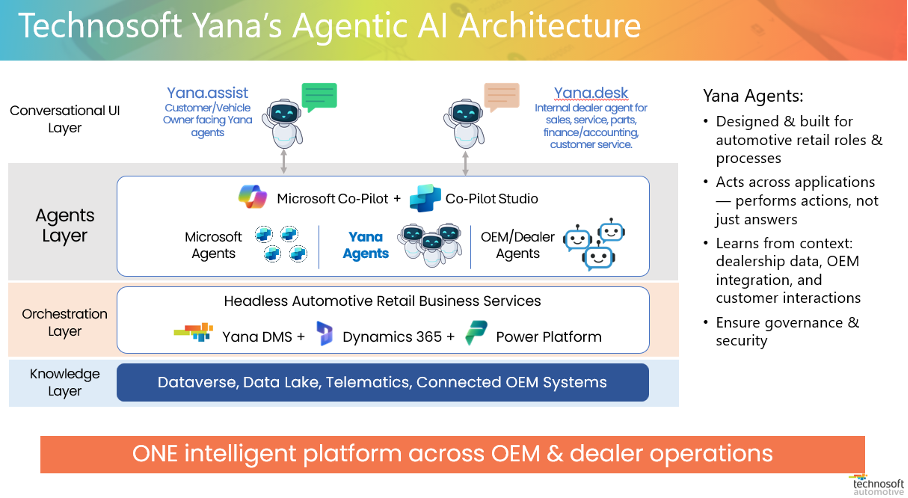
A particularly important development is the integration of AI directly into operational workflows.
This goes far beyond generic chatbots. AI agents can operate within clearly defined processes, support decision-making, and automate routine tasks—while remaining transparent, auditable, and governed.
Crucially, governance, security, and human oversight remain integral parts of the system.
Conclusion: The Future Belongs to Adaptive Systems
The demands placed on Dealer Management Systems will continue to increase. New technologies, regulatory frameworks, and changing customer expectations make adaptability the defining characteristic of modern platforms.
Key success factors include:
- Configuration instead of custom development
- Standardized and scalable integration
- Flexible, rule-driven processes
- AI-assisted automation within clear governance frameworks
Organizations that embrace these principles build a foundation for long-term innovation—and gain the ability not just to react to change, but to shape it.